

Modern Pakistani fashion has seen a remarkable evolution over the last few decades. From traditional attire to contemporary fusion wear, the industry has embraced creativity, elegance, and individuality.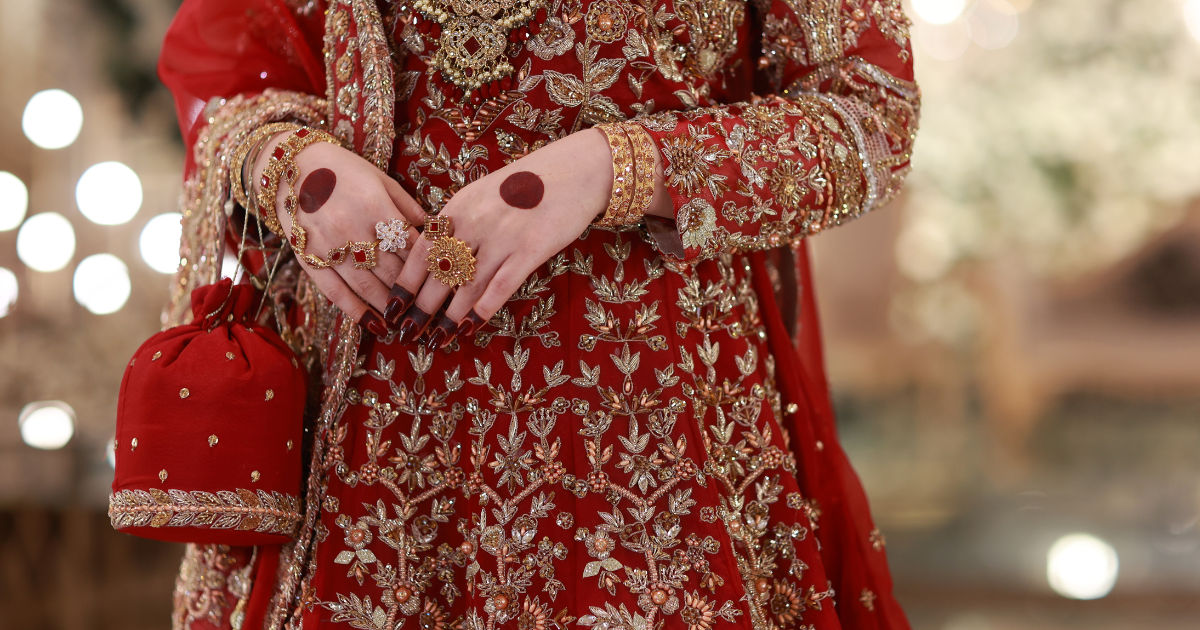
At the heart of this transformation lies the blend of culture and modern aesthetics, where designers, influencers, and fashion enthusiasts continuously redefine what it means to be stylish in Pakistan. Nani je, a prominent term often associated with heritage-inspired designs, reflects the deep connection modern fashion maintains with traditional roots.
By understanding the aesthetic secrets of modern Pakistani fashion, one can truly appreciate the richness, craftsmanship, and innovation that define it today.
The Evolution of Pakistani Fashion
Pakistani fashion has always been a mirror of the country's cultural diversity. Historically, clothing in Pakistan was influenced by Mughal artistry, regional textiles, and intricate embroidery. Traditional wear such as shalwar kameez, lehengas, and dupattas dominated wardrobes for decades.
However, modern times have seen a shift. Influences from global fashion trends, combined with a desire for comfort and individuality, have transformed the industry. Today, Pakistani fashion is not just about maintaining tradition; it’s about blending cultural heritage with modern sensibilities. Designers are experimenting with cuts, colors, and fabrics, making fashion more versatile and accessible to younger generations.
The Role of Nani je in Modern Designs
Nani je represents more than just a nostalgic connection to the past. In modern Pakistani fashion, Nani je often inspires patterns, textures, and embroidery techniques that honor family traditions. Many designers incorporate Nani je-inspired motifs into contemporary silhouettes, creating a unique aesthetic that appeals to both traditionalists and modern fashion enthusiasts.
By including elements like handwoven fabrics, vintage prints, and intricate embellishments reminiscent of Nani je’s era, designers create a visual bridge between the past and the present. This fusion is essential in modern Pakistani fashion because it allows wearers to celebrate their heritage while embracing modern trends.
Key Elements of Modern Pakistani Fashion
1. Fusion Wear: Tradition Meets Modernity
Fusion wear is perhaps the most significant trend in modern Pakistani fashion. It combines traditional garments like kurta, lehenga, or dupatta with Western cuts, patterns, and styling. For instance, pairing a heavily embroidered kurta with denim jeans or a contemporary skirt has become increasingly popular among young fashion enthusiasts.
The success of fusion wear lies in its ability to balance comfort and aesthetics. Nani je-inspired designs often feature in fusion outfits, giving them a timeless charm while keeping them trendy.
2. Bold Colors and Prints
Modern Pakistani fashion is known for its vibrant color palettes and daring prints. From electric blues to rich maroons and pastel pinks, the use of color reflects personality and mood. Designers often experiment with geometric patterns, florals, and abstract prints.
These bold choices are frequently enhanced by heritage motifs inspired by Nani je, providing a harmonious mix of the old and the new.
3. Intricate Embroidery and Detailing
Embroidery remains the hallmark of Pakistani fashion. Modern designers have taken traditional hand-embroidery techniques, often associated with Nani je, and applied them to contemporary silhouettes. Techniques such as zardozi, chikankari, and gota work add elegance and texture to garments.
Detailed embellishments are no longer reserved for formal occasions. Today, designers incorporate subtle embroidery into casual wear, allowing everyday clothing to carry a sense of sophistication.
4. Sustainable and Handcrafted Fashion
Sustainability has become a key concern in modern fashion worldwide, and Pakistani designers are no exception. Many brands emphasize handcrafted pieces that support local artisans. The incorporation of Nani je-inspired crafts not only preserves cultural heritage but also promotes ethical fashion practices.
Using natural fabrics like cotton, linen, and silk ensures comfort while contributing to eco-friendly fashion choices.
5. Versatile Silhouettes
Modern Pakistani fashion celebrates diversity in body shapes and sizes. Designers offer a wide range of silhouettes, from loose, flowing garments to tailored, body-conscious designs. Nani je-inspired aesthetics often appear in long, elegant tunics or layered outfits, creating a graceful and sophisticated look suitable for various occasions.
6. Accessorizing: The Art of Finishing Touches
Accessories play a crucial role in completing a modern Pakistani outfit. Statement earrings, handcrafted clutches, and embellished footwear add personality to each ensemble. Drawing inspiration from Nani je, some designers incorporate vintage jewelry styles or heirloom-inspired pieces, enhancing the overall aesthetic.
Seasonal Trends in Pakistani Fashion
Spring and Summer Collections
Light fabrics and pastel tones dominate spring and summer collections. Designers focus on breathable materials like lawn, chiffon, and cotton, often featuring delicate Nani je-inspired embroidery. Florals and abstract prints are popular, evoking freshness and vibrancy.
Autumn and Winter Collections
During colder months, heavier fabrics like velvet, silk blends, and wool take center stage. Deep, rich colors such as burgundy, navy, and emerald are common. Embellishments inspired by Nani je, including intricate handwork and metallic threads, are used to add warmth and luxury.
The Influence of Celebrities and Media
Modern Pakistani fashion is heavily influenced by celebrities, social media influencers, and television dramas. Red carpet events, fashion weeks, and Instagram trends play a pivotal role in shaping public perception. Celebrities often showcase Nani je-inspired designs, bridging the gap between traditional roots and modern fashion trends.
Influencers create content that educates audiences about styling, mixing, and matching garments, allowing ordinary fashion enthusiasts to experiment with modern looks without losing a sense of cultural identity.
Fashion Weeks: A Window into Modern Trends
Pakistan Fashion Week and other regional fashion events provide a platform for designers to showcase innovative creations. These events highlight the latest trends in fabrics, silhouettes, and fusion wear. Many collections incorporate Nani je-inspired detailing, demonstrating how traditional aesthetics can coexist with contemporary designs.
Fashion weeks also encourage collaboration between emerging designers and established brands, fostering creativity and expanding the reach of modern Pakistani fashion.
Street Style and Everyday Wear
Modern Pakistani fashion is not confined to formal occasions. Street style has become a significant influence, particularly among younger generations. Casual yet chic outfits often include kurtas with modern cuts, embroidered jackets, and fusion wear combinations. Nani je-inspired elements like delicate handwork or vintage prints are increasingly integrated into everyday clothing, making heritage fashion accessible and relevant.
The Role of Color Psychology
Color plays a profound role in modern Pakistani fashion. Designers carefully select hues to evoke emotions and convey personality traits. For example, bold reds and oranges symbolize energy and confidence, while pastels suggest calmness and sophistication.
Nani je-inspired designs often use colors with cultural significance, linking modern aesthetics to emotional and historical roots. This subtle integration ensures that fashion is not only visually appealing but also culturally resonant.
Fabrics and Textures
Modern Pakistani fashion emphasizes a rich mix of fabrics and textures. Designers experiment with silk, chiffon, organza, cotton, and blends to create unique combinations. Textures play a critical role in adding depth to garments, with layering techniques, ruffles, pleats, and embroidery enhancing visual interest.
Nani je-inspired craftsmanship often includes hand-loomed fabrics or woven textures, preserving traditional techniques while adding a modern twist.
Bridal Fashion: A Fusion of Tradition and Contemporary Style
Bridal fashion in Pakistan has undergone a significant transformation. Modern brides opt for a mix of traditional elements and contemporary designs. Heavy embroidery, luxurious fabrics, and statement jewelry are combined with innovative cuts and pastel shades.
Nani je’s influence is particularly evident in bridal wear, where heritage-inspired embellishments, hand-stitched motifs, and vintage prints are reimagined for modern brides seeking elegance with a touch of nostalgia.
Men’s Fashion: Contemporary Choices
Modern Pakistani fashion is not limited to women. Men’s fashion has embraced modern trends while respecting traditional roots. Tailored sherwanis, contemporary kurta designs, and fusion jackets are popular choices. Embroidery inspired by Nani je is often incorporated subtly, ensuring sophistication without overwhelming the overall look.
The Importance of Personal Style
One of the most significant aesthetic secrets of modern Pakistani fashion is personal style. Rather than blindly following trends, individuals are encouraged to mix traditional and modern pieces in ways that reflect their personality. Nani je-inspired garments provide a timeless foundation, which can be styled with modern accessories, shoes, and layering techniques for a unique, personal statement.
Fashion Marketing and Branding
The rise of digital platforms has revolutionized the way fashion is marketed in Pakistan. Brands use Instagram, TikTok, and YouTube to connect with audiences, showcasing collections with behind-the-scenes content and styling tips. Nani je-inspired collections are often highlighted in storytelling campaigns, emphasizing the blend of heritage and contemporary fashion.
Cultural Significance of Fashion
Modern Pakistani fashion is not just about aesthetics; it reflects cultural identity. Each design tells a story of heritage, craftsmanship, and evolution. Nani je-inspired elements remind wearers of their roots while allowing them to express modern individuality. Fashion becomes a way to celebrate history, culture, and personal taste simultaneously.
Shopping Experiences: Traditional and Modern
Shopping in Pakistan has evolved from traditional bazaars to modern retail outlets and online platforms. Consumers can access a wide range of options, from handcrafted Nani je-inspired garments to high-fashion fusion wear. Online platforms offer convenience and variety, while traditional markets preserve the tactile experience of fabrics, embroidery, and craftsmanship.
Challenges in Modern Pakistani Fashion
Despite its growth, the fashion industry faces challenges such as sustainability, fast fashion, and counterfeit products. Designers strive to maintain quality while keeping designs accessible. Preserving Nani je-inspired crafts and techniques is also a priority, as industrialization threatens traditional methods.
Future of Pakistani Fashion
The future of modern Pakistani fashion is bright and promising. Emerging designers continue to innovate, blending traditional inspiration with global trends. Nani je’s legacy will remain an integral part of this evolution, ensuring that fashion retains its cultural depth while embracing modernity.
Sustainability, digital marketing, and the fusion of heritage and contemporary designs will define the industry in the coming years. Consumers are increasingly seeking authenticity, quality, and individuality, which modern Pakistani fashion is uniquely positioned to provide.
Conclusion
Modern Pakistani fashion is a delicate balance of tradition and innovation. The aesthetic secrets that define it—from fusion wear and bold colors to intricate embroidery and sustainable practices—highlight the creativity, craftsmanship, and cultural richness of the industry. Nani je-inspired designs play a central role in preserving heritage while adapting to contemporary trends, making fashion both meaningful and stylish.
Whether it is in everyday wear, bridal ensembles, or men’s fashion, the combination of modern aesthetics and traditional influences ensures that Pakistani fashion remains dynamic, inclusive, and timeless. By understanding these secrets, fashion enthusiasts can appreciate not just the visual appeal, but the history, culture, and innovation behind each garment.
Modern Pakistani fashion is more than clothing—it is an expression of identity, creativity, and heritage. By embracing the aesthetic secrets and Nani je-inspired traditions, anyone can participate in a style that is elegant, culturally resonant, and forward-thinking.