

Living with ADHD can feel overwhelming at times. Trouble focusing, managing time, staying organized, and controlling emotions can affect school, work, and relationships.
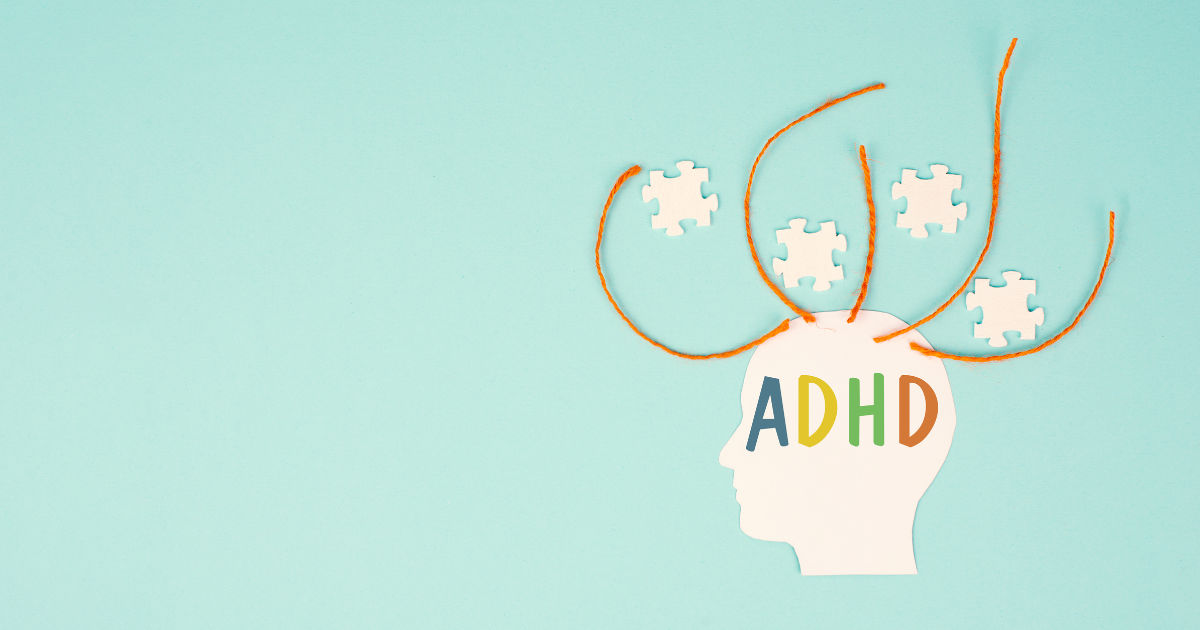
Many people believe medication is the only answer, but that is not true. You can Treat Your ADHD With Skills that help you build control, confidence, and independence.
Learning the right skills can make daily life easier and more balanced.
This guide explains how practical skills can support attention, behavior, and emotional regulation.
When you Treat Your ADHD With Skills, ( https://onlinemedspharmacy.com/buy-adderall-online/ ) you are not changing who you are. You are learning how to work with your brain instead of against it.
These skills are useful for teens and adults and can be practiced every day.
Understanding ADHD and Skill-Based Treatment
ADHD is a brain-based condition that affects attention, impulse control, and activity levels. It is not caused by laziness or lack of intelligence. Many people with ADHD are creative, energetic, and highly capable. The challenge is learning how to manage symptoms in daily life.
When you Treat Your ADHD With Skills, you focus on habits and strategies that improve functioning. Skills do not replace medical care if it is needed, but they often reduce stress and improve outcomes. Skills-based treatment empowers you to take an active role in managing ADHD.
Why Skills Matter More Than Willpower
Willpower alone is not enough for ADHD. The ADHD brain works differently, especially in areas related to planning and self-control. That is why skills are so important. Skills create structure and support where the brain needs help.
When you Treat Your ADHD With Skills, you rely less on forcing yourself and more on systems that work naturally. Skills reduce frustration and help you succeed even on hard days. Over time, these skills become habits that feel automatic.
Executive Function Skills
Executive function skills help you plan, organize, remember, and complete tasks. These skills are often weak in ADHD, but they can be improved with practice. Many people Treat Your ADHD With Skills that strengthen executive functioning.
Time Management Skills
Time blindness is common in ADHD. Minutes can feel like seconds, and deadlines sneak up quickly. Learning time management skills helps you stay on track.
Using timers and alarms can help you Treat Your ADHD With Skills that improve awareness of time. Breaking tasks into smaller steps also makes time feel more manageable. Visual schedules and calendars provide constant reminders of what needs to be done.
Organization Skills
Clutter can increase stress and reduce focus. Organization skills create clear spaces and systems. When you Treat Your ADHD With Skills related to organization, you reduce distractions and wasted time.
Simple storage systems, labeled folders, and daily clean-up routines can make a big difference. Keeping items in the same place every day builds consistency and confidence.
Planning and Prioritization
Planning ahead can feel difficult with ADHD, but it is a learnable skill. Writing to-do lists and ranking tasks by importance helps you stay focused.
When you Treat Your ADHD With Skills like prioritization, you avoid feeling overwhelmed. You learn to focus on what matters most instead of trying to do everything at once.
Attention and Focus Skills
Staying focused is one of the biggest challenges of ADHD. Focus skills help you direct your attention and reduce distractions. Many people Treat Your ADHD With Skills that support sustained attention.
Creating a Focus-Friendly Environment
Your environment plays a huge role in attention. Reducing noise, visual clutter, and interruptions helps your brain stay on task.
When you Treat Your ADHD With Skills that shape your environment, you make focus easier. Noise-canceling headphones, clean desks, and quiet spaces support concentration.
Using the Pomodoro Technique
The Pomodoro Technique involves working in short bursts with breaks in between. This method works well for ADHD brains.
By using this method, you Treat Your ADHD With Skills that respect your attention span. Short work sessions feel less overwhelming and more achievable.
Managing Digital Distractions
Phones and social media are powerful distractions. Learning how to manage technology is essential.
When you Treat Your ADHD With Skills like app blockers and scheduled screen time, you regain control of your attention. Turning off unnecessary notifications also helps.
Emotional Regulation Skills
ADHD affects emotions as much as attention. Big feelings can appear quickly and feel intense. Emotional regulation skills help you respond instead of reacting.
When you Treat Your ADHD With Skills that support emotional control, relationships improve and stress decreases.
Identifying Emotional Triggers
Understanding what triggers strong emotions is the first step. Keeping a journal can help you notice patterns.
As you Treat Your ADHD With Skills related to self-awareness, you gain insight into your emotional responses. This awareness creates space for better choices.
Mindfulness and Breathing Techniques
Mindfulness teaches you to stay present. Simple breathing exercises calm the nervous system.
When you Treat Your ADHD With Skills like mindfulness, you improve emotional balance. Even a few minutes a day can reduce anxiety and impulsivity.
Self-Compassion Skills
People with ADHD often struggle with shame and self-criticism. Learning self-compassion is essential.
By practicing kindness toward yourself, you Treat Your ADHD With Skills that build resilience. Mistakes become learning opportunities instead of failures.
Behavior Management Skills
Behavior management skills help you control impulses and build positive habits. These skills are especially helpful in school and work settings.
When you Treat Your ADHD With Skills that guide behavior, you feel more in control.
Building Routines
Routines reduce decision-making and save mental energy. Morning and evening routines create stability.
When you Treat Your ADHD With Skills like consistent routines, daily tasks become easier. Routines also reduce forgetfulness.
Using Rewards and Motivation
Motivation can be inconsistent with ADHD. Rewards help reinforce positive behavior.
By using incentives, you Treat Your ADHD With Skills that boost motivation. Small rewards after completing tasks can increase follow-through.
Managing Impulsivity
Impulsivity can lead to mistakes and regrets. Learning pause techniques helps slow reactions.
When you Treat Your ADHD With Skills like counting to ten or stepping away, you create time to think before acting.
Social and Communication Skills
ADHD can affect social interactions. Interrupting, forgetting details, or missing cues can cause misunderstandings. Social skills training can help.
When you Treat Your ADHD With Skills that improve communication, relationships become stronger.
Active Listening
Active listening involves fully focusing on the speaker. Making eye contact and repeating key points helps.
As you Treat Your ADHD With Skills like listening techniques, conversations become more meaningful and respectful.
Assertive Communication
Expressing needs clearly is important. Assertive communication is respectful and confident.
When you Treat Your ADHD With Skills in communication, you reduce conflict and increase understanding.
Managing Social Anxiety
ADHD can increase social anxiety. Learning coping skills reduces fear and builds confidence.
By practicing these methods, you Treat Your ADHD With Skills that support healthy social connections.
Academic and Study Skills
Students with ADHD often struggle in school. Study skills help improve learning and performance.
When you Treat Your ADHD With Skills designed for academics, school becomes less stressful.
Note-Taking Strategies
Using structured note-taking methods improves understanding. Visual notes and summaries are helpful.
As you Treat Your ADHD With Skills like organized note-taking, studying becomes more effective.
Test Preparation Skills
Planning ahead for tests reduces anxiety. Practice tests and study schedules are useful.
When you Treat Your ADHD With Skills related to preparation, test performance improves.
Asking for Support
Seeking help is a strength. Teachers and counselors can provide accommodations.
By asking for support, you Treat Your ADHD With Skills that promote success and self-advocacy.
Lifestyle Skills That Support ADHD
Healthy lifestyle habits support brain function. Sleep, nutrition, and exercise matter.
When you Treat Your ADHD With Skills that support health, symptoms often improve.
Sleep Hygiene Skills
Sleep affects attention and mood. Consistent sleep routines improve rest.
As you Treat Your ADHD With Skills like regular bedtimes, energy and focus increase.
Nutrition and Brain Health
Balanced meals support brain function. Protein and complex carbs are especially helpful.
When you Treat Your ADHD With Skills related to nutrition, you support mental clarity.
Physical Activity
Exercise reduces restlessness and improves mood. Even short walks help.
By staying active, you Treat Your ADHD With Skills that boost focus and emotional health.
Digital Tools and ADHD Skills
Technology can support skill-building. Apps and tools provide reminders and structure.
When you Treat Your ADHD With Skills using technology, daily management becomes easier.
Task Management Apps
Digital planners help track tasks and deadlines. Visual reminders are effective.
Using these tools helps you Treat Your ADHD With Skills consistently.
Habit Tracking Tools
Tracking habits builds awareness and motivation.
As you Treat Your ADHD With Skills through tracking, progress becomes visible.
Long-Term Skill Development
Skills improve with practice. Progress takes time and patience.
When you Treat Your ADHD With Skills, consistency matters more than perfection.
Building Skills Gradually
Start with one skill at a time. Small steps lead to lasting change.
By taking it slow, you Treat Your ADHD With Skills sustainably.
Reviewing and Adjusting Strategies
Not every skill works for everyone. Regular review helps.
As you Treat Your ADHD With Skills, adjust strategies to fit your needs.
Conclusion
ADHD does not define your limits. With the right strategies, you can thrive. Skills give you tools to manage attention, emotions, behavior, and relationships. When you Treat Your ADHD With Skills, you take control of your daily life in a healthy and empowering way.
Skills-based approaches are practical, flexible, and effective. They work alongside therapy, coaching, or medication, but they are powerful on their own. By practicing these skills daily, you build confidence and independence.
Remember, progress takes time. Be patient with yourself and celebrate small wins. When you Treat Your ADHD With Skills, you are investing in a better future, one step at a time.