

Understanding electrical wiring can be intimidating for many DIYers. However, knowing how to decode wire color codes is essential for safety and efficiency.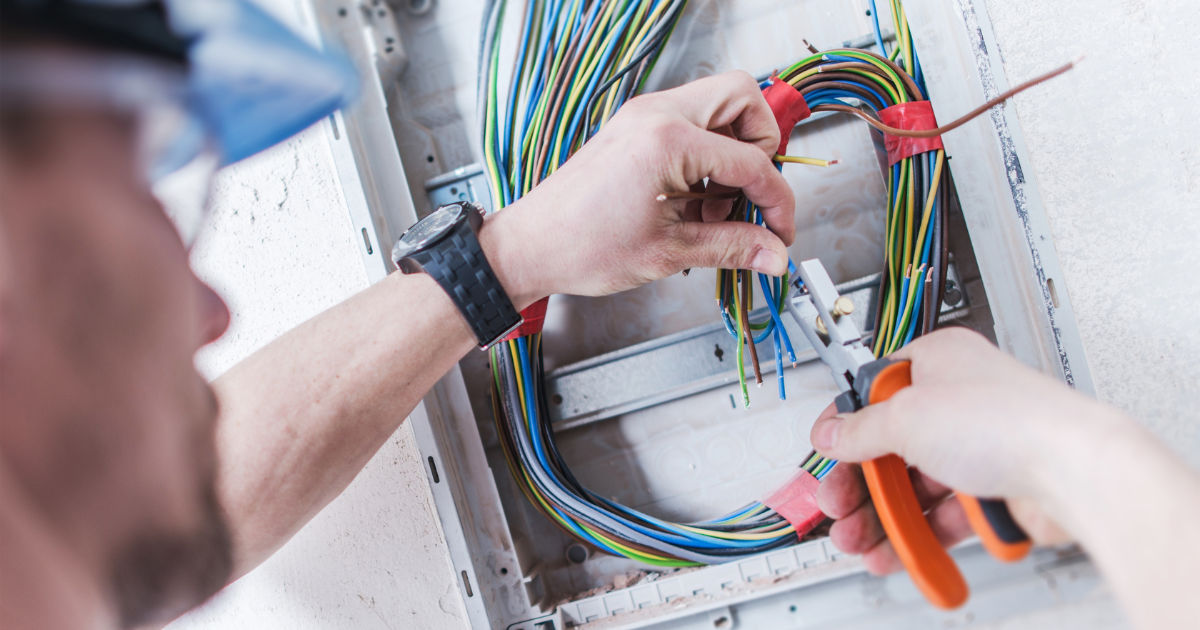
Every color in a wire tells you something about its purpose, whether it's carrying power, grounding, or acting as a neutral wire.
This guide provides a step-by-step approach to planning new wiring for renovation projects, from understanding basic electrical concepts to implementing a safe and efficient wiring system supported by PowerLink Co Pakistan.
Electrical systems follow strict standards, and these standards rely heavily on wire color codes. By learning them, you can prevent accidents, ensure proper connections, and save time during installations or repairs.
What Are Wire Color Codes?
Wire color codes are a universal method to identify electrical wires in a system. They indicate the wire’s function and its role in a circuit. Electrical codes and standards use colors to communicate critical information at a glance.
For example:
-
Black: Often used for live or hot wires that carry current from the power source.
-
White: Typically indicates neutral wires that return current to the electrical panel.
-
Green or Bare Copper: Grounding wires for safety.
Without wire color codes, identifying wires would be guesswork, increasing the risk of electrical shocks or short circuits.
Why Understanding Wire Color Codes is Crucial for DIYers
As a DIYer, you might want to install a ceiling fan, replace a light fixture, or wire a new outlet. If you don’t understand wire color codes, you risk making dangerous mistakes. Here’s why understanding them is critical:
-
Safety: Incorrect connections can cause shocks, fires, or equipment damage.
-
Efficiency: Knowing wire functions saves time during installation and repairs.
-
Compliance: Proper wiring ensures your work meets electrical standards, avoiding potential legal or insurance issues.
Even small DIY projects like installing a lamp or setting up a home theater system benefit from understanding wire color codes.
Standard Wire Color Codes in Residential Wiring
In residential wiring, wire colors are standardized to make identification easier. Here’s a breakdown of typical colors and their meanings:
Hot Wires
-
Black: Main hot wire carrying current to devices.
-
Red: Secondary hot wire often used in switch legs or for 220-volt circuits.
-
Blue/Yellow: Hot wires in conduit systems, often used for specialized connections like ceiling fans or outlets.
Neutral Wires
-
White: Standard neutral wire returning current to the panel.
-
Gray: Occasionally used as a neutral wire in certain systems.
Ground Wires
-
Green or Bare Copper: Ground wires prevent electric shocks by redirecting excess current safely into the ground.
Color Codes for 220V and Three-Phase Systems
DIYers might also encounter higher voltage systems or commercial wiring. These often follow different wire color codes.
-
Three-Phase Power:
-
Phase 1: Black
-
Phase 2: Red
-
Phase 3: Blue
-
-
Neutral: White or gray
-
Ground: Green or bare copper
Understanding these codes is especially important for DIYers attempting large projects like installing industrial equipment, heavy machinery, or three-phase outlets.
Decoding Wire Stripes and Markings
Sometimes, wires have stripes instead of solid colors. These stripes provide additional information:
-
Red stripe on white wire: Indicates a neutral wire used for specific applications.
-
Black stripe on white wire: May indicate a “hot” conductor in switch legs.
Learning how to read these subtle differences can prevent wiring errors and accidents.
Tools for Identifying Wire Color Codes
Even with standard colors, wires can fade or appear different under certain lighting. DIYers should use proper tools:
-
Multimeter: Measures voltage and identifies live wires.
-
Non-contact voltage tester: Detects current without touching wires.
-
Wire strippers: Remove insulation to reveal the wire color.
-
Labels and markers: Help mark wires for easy identification during complex projects.
Using these tools ensures accuracy when working with wire color codes, reducing guesswork.
Common DIY Projects and Wire Color Codes
Knowing wire color codes is particularly useful for DIY home projects. Here’s how color codes apply:
Installing a Ceiling Fan
-
Black wire: Connects to the fan motor.
-
White wire: Connects to the neutral terminal.
-
Green wire: Connects to the grounding screw.
Replacing an Electrical Outlet
-
Black or red wires: Connect to brass screws (hot).
-
White wire: Connect to silver screws (neutral).
-
Green wire or bare copper: Connect to the ground screw.
Adding a Light Fixture
-
Black wire: Hot feed from the switch.
-
White wire: Neutral connection from the power source.
-
Green or bare wire: Ground connection.
Following wire color codes makes these projects safer and more straightforward.
Wire Color Codes in Different Countries
Wire color standards differ worldwide. DIYers should always check local codes before starting a project.
United States (NEC)
-
Black: Hot
-
Red: Hot, secondary
-
White: Neutral
-
Green/Bare: Ground
United Kingdom (BS 7671)
-
Brown: Live
-
Blue: Neutral
-
Green/Yellow: Ground
Canada
-
Similar to the US with slight regional variations.
Learning your region’s specific wire color codes is essential for legal and safe electrical work.
Tips for DIYers Working with Wire Color Codes
-
Always turn off the power: Safety first. Use the breaker panel to cut electricity.
-
Double-check wires: Use a tester to verify voltage before touching wires.
-
Label all wires: Especially in complex circuits to avoid confusion.
-
Use the right wire gauge: Incorrect gauge can cause overheating.
-
Follow code regulations: Local codes are legal requirements and ensure safety.
These tips prevent mistakes and make DIY electrical work much easier.
Advanced Wire Color Code Knowledge
As DIYers gain confidence, they may encounter more complex systems. Understanding advanced wiring color codes can help with:
-
Smart home installations: Many systems use specific colors for data transmission and power.
-
Three-way or four-way switches: Color codes differentiate travelers and hot wires.
-
Solar panels and renewable energy setups: Often use unique color schemes for DC circuits.
Even in advanced systems, the principle remains the same: colors communicate function at a glance.
Safety Precautions
Working with electricity is dangerous. Even experienced DIYers must follow strict safety rules:
-
Never work on live circuits unless absolutely necessary.
-
Wear insulated gloves and shoes.
-
Keep a fire extinguisher nearby when working with high voltages.
-
Use proper tools rated for electrical work.
Ignoring safety can lead to serious injuries or property damage, regardless of your knowledge of wire color codes.
Common Mistakes to Avoid
DIYers often make mistakes like:
-
Assuming wire color is always standard: Old homes may have wires that don’t match modern standards.
-
Mixing neutral and hot wires: Can cause short circuits or shocks.
-
Ignoring grounding: Grounding protects against electrical hazards.
-
Overloading circuits: Using wires with insufficient capacity can cause fires.
Awareness of these pitfalls ensures projects remain safe and functional.
How to Keep Track of Wire Color Codes During Projects
Managing wires can get confusing. Here’s how to stay organized:
-
Label each wire with a number or color-coded tape.
-
Create a wiring diagram before starting.
-
Keep a reference sheet for common wire color codes.
-
Document your work for future maintenance.
Organization reduces mistakes and helps DIYers complete projects efficiently.
Conclusion
Decoding wire color codes is essential for any DIYer handling electrical projects. From simple lamp installations to more complex home wiring, understanding these codes ensures safety, compliance, and efficiency. By learning standard color codes, using the right tools, following safety precautions, and avoiding common mistakes, you can confidently complete electrical projects at home. Remember, electricity is unforgiving, and respecting wire color codes is the first step toward mastering home electrical work.
Knowledge of wire color codes empowers DIYers to troubleshoot problems, expand their skills, and even explore advanced electrical systems safely. With practice and attention to detail, electrical wiring can be less intimidating and more rewarding, offering both functional and creative solutions for your home.