

Water damage can happen suddenly and create serious problems for homes and businesses. A broken pipe, flooding, roof leak, appliance failure, or plumbing issue can allow large amounts of water to enter a property. When water is not removed quickly, it can damage walls, floors, furniture, electrical systems, and personal belongings.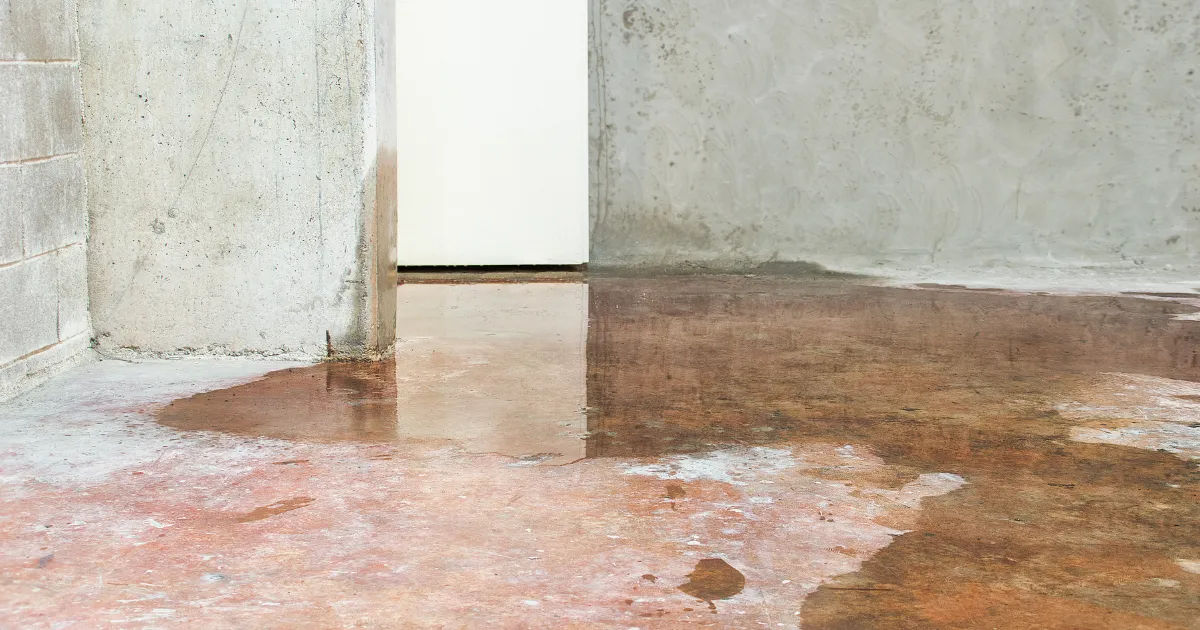 Professional Water Damage Restoration Lancaster CA services help property owners recover from these situations by removing water, drying affected areas, repairing damage, and preventing future issues.
The restoration process is not simply about removing visible water. It involves careful inspection, advanced equipment, moisture detection, cleaning, sanitizing, and rebuilding damaged sections of a property. Every step must be completed correctly to protect the structure and create a safe living environment.
Understanding how Water Damage Restoration Lancaster CA is completed can help homeowners know what to expect after experiencing water damage. A professional restoration team follows a detailed process that starts immediately after the damage occurs and continues until the property is fully restored.
Water Damage and Its Effects
Water damage occurs when unwanted water enters a building and affects materials, structures, or belongings. Even a small amount of water can become a major problem if it is not handled quickly.
Different types of water damage require different restoration methods. Some water damage may come from clean sources, such as a broken supply pipe or overflowing sink. Other situations may involve contaminated water from sewage backups, flooding, or storm damage.
The longer water remains inside a property, the greater the risk of damage becomes. Water can weaken building materials, create unpleasant odors, damage furniture, and encourage mold growth.
Common effects of water damage include:
- Damaged drywall and ceilings
- Warped wooden floors
- Ruined carpets and upholstery
- Electrical hazards
- Mold and mildew growth
- Structural weakening
- Damage to personal belongings
A quick response is important because water damage can continue spreading even after the original source has been stopped.
Initial Inspection and Damage Assessment
The first step in the restoration process is a complete inspection of the affected property. Restoration professionals examine the area to determine the source of water, the amount of damage, and the best approach for repairs.
During the inspection, technicians check visible and hidden areas for moisture. Water can move behind walls, under flooring, and into ceilings, making professional assessment necessary.
Special tools such as moisture meters, infrared cameras, and detection equipment may be used to locate hidden water. These tools help technicians understand the full extent of the problem.
The assessment process usually includes:
- Identifying the water source
- Determining affected areas
- Checking moisture levels
- Evaluating structural damage
- Classifying the type of water involved
- Creating a restoration plan
A detailed inspection helps prevent incomplete repairs. If hidden moisture remains, future problems such as mold growth and structural damage may occur.
Stopping the Source of Water
Before restoration begins, the source of water must be controlled. If water continues entering the property, drying and repairs cannot be successful.
Technicians may recommend shutting off water supplies, repairing damaged pipes, covering roof leaks, or addressing other causes of water intrusion.
Examples of common water sources include:
- Broken plumbing pipes
- Water heater leaks
- Washing machine failures
- Bathroom leaks
- Storm flooding
- Roof damage
- Sewer backups
Stopping the source protects the property from additional damage and allows the restoration process to move forward safely.
Water Removal and Extraction Process
After inspection and source control, the next step is removing standing water. Professional restoration teams use powerful extraction equipment to remove large amounts of water quickly.
Water extraction is one of the most important parts of the restoration process. Leaving standing water behind can increase damage and create conditions where mold can grow.
Depending on the severity of the damage, technicians may use:
- Submersible pumps
- Industrial water extractors
- Wet vacuums
- Specialized drying equipment
The goal is to remove as much water as possible before beginning the drying process.
Fast water removal helps protect flooring, walls, furniture, and other materials. It also reduces the chances of long-term damage.
Drying and Dehumidification
Removing visible water does not mean the property is completely dry. Materials such as drywall, wood, and carpets can hold moisture that is not visible.
Professional drying is an essential stage of Water Damage Restoration Lancaster CA because trapped moisture can lead to mold growth and structural problems.
Technicians use specialized equipment, including:
- Air movers
- Dehumidifiers
- Moisture monitoring tools
- Heating equipment when necessary
Air movers increase circulation and help moisture leave surfaces. Dehumidifiers remove moisture from the air and create better drying conditions.
Throughout the drying process, technicians monitor moisture levels to ensure affected areas are becoming properly dry. This prevents future complications and confirms that restoration work can continue safely.
Conclusion
After water removal and drying, affected areas must be cleaned and sanitized. Water damage can introduce dirt, bacteria, and unpleasant odors into a property.
Cleaning methods depend on the type of water damage and the materials affected.
Restoration professionals may clean:
- Floors
- Walls
- Furniture
- Carpets
- Personal belongings
- Building materials
Sanitizing helps remove harmful contaminants and improves indoor air quality. Deodorizing treatments may also be used to remove lingering smells caused by moisture and water exposure.
Proper cleaning ensures that the property is not only dry but also safe and comfortable again.