

In many arabic appetizers, lentils are one of the most important and nutritious ingredients used across traditional Middle Eastern kitchens. These small legumes are packed with protein, fiber, and rich flavor, making them a perfect base for light meals and starters.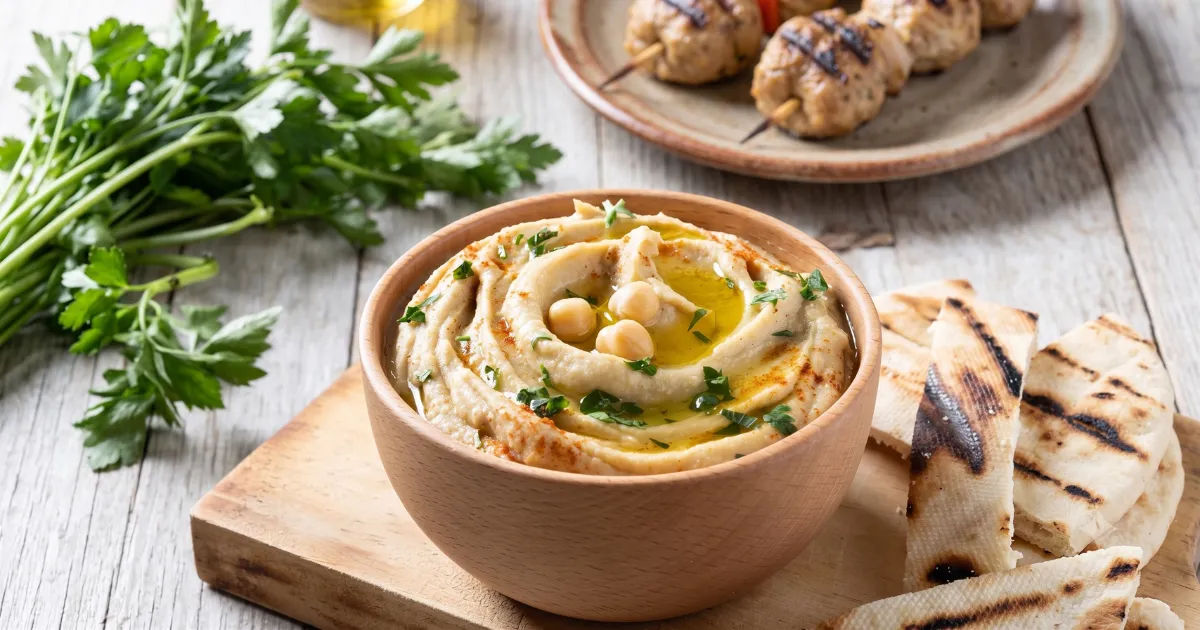
In this guide, we will explore which dishes fall under arabic appetizers that use lentils, how they are prepared, and why they remain a staple in everyday cooking. Understanding these dishes will help you appreciate the depth and variety of arabic appetizers and how lentils shape their taste and nutrition.
The Role of Lentils in Arabic Cuisine
Lentils have been part of Middle Eastern food culture for thousands of years. In many households, they are considered a “comfort ingredient” because they are affordable, filling, and easy to cook.
In arabic appetizers, lentils are used in both hot and cold dishes. They can be blended into soups, mashed into dips, or combined with rice and spices to create hearty starters. What makes lentils special is their ability to absorb flavors from cumin, garlic, onions, olive oil, and lemon.
Many traditional arabic appetizers rely on lentils because they provide a balanced texture and a mild earthy taste that pairs well with bold spices.
Why Lentils Are Popular in Arabic Appetizers
There are several reasons lentils are widely used in arabic appetizers:
- They are budget-friendly and widely available
- They cook quickly compared to other legumes
- They are rich in plant-based protein
- They fit both vegetarian and vegan diets
- They absorb spices and seasonings very well
Because of these benefits, lentils are often the foundation of many traditional arabic appetizers served during lunch, dinner, and even festive gatherings.
Shorbat Adas (Lentil Soup)
One of the most famous arabic appetizers made with lentils is Shorbat Adas, or lentil soup.
Ingredients and Preparation
Shorbat Adas is made using:
- Red or brown lentils
- Onions and garlic
- Cumin and turmeric
- Olive oil
- Lemon juice
The lentils are cooked until soft and then blended into a smooth soup. The result is a creamy, comforting dish often served as a starter in arabic appetizers menus.
Why It Is Important
This soup is one of the most widely consumed arabic appetizers because it is simple, nutritious, and suitable for all ages. It is also commonly eaten during colder months or fasting periods.
Shorbat Adas remains a classic example of how lentils define many traditional arabic appetizers.
Mujaddara (Lentils and Rice with Caramelized Onions)
Mujaddara is another iconic dish in the world of arabic appetizers that uses lentils as a core ingredient.
Main Ingredients
- Brown or green lentils
- Rice or bulgur
- Caramelized onions
- Olive oil
- Salt and cumin
Flavor Profile
Mujaddara is known for its deep, earthy flavor combined with sweet caramelized onions. It is often served warm and can be eaten as a side dish or a light main course.
Even though it is more filling than typical starters, many households still include Mujaddara in their selection of arabic appetizers during family meals.
Lentil Salad (Cold Appetizer)
Lentil salad is a fresh and modern addition to traditional arabic appetizers.
Ingredients
- Cooked green or brown lentils
- Tomatoes
- Cucumbers
- Parsley
- Lemon juice
- Olive oil
Preparation Style
Unlike heavy dishes, this salad is served cold and lightly seasoned. It is refreshing and often eaten during summer.
This version of arabic appetizers is especially popular among people who prefer healthy and light food options. The lentils provide protein while vegetables add crunch and freshness.
Lentil Kibbeh Variations
Kibbeh is usually made with bulgur and meat, but some regional variations of arabic appetizers use lentils instead.
What Makes It Unique
In lentil kibbeh:
- Lentils replace or mix with bulgur
- Spices like cinnamon, cumin, and allspice are added
- The mixture is shaped into balls or patties
- It is either baked or lightly fried
This variation shows how flexible lentils are in arabic appetizers, allowing cooks to adapt traditional recipes for vegetarian diets.
Lentil Fritters (Modern Mezze Style)
Lentil fritters are a creative twist on classic arabic appetizers.
Ingredients
- Mashed lentils
- Onions and garlic
- Herbs like coriander and parsley
- Flour or chickpea flour
- Spices such as paprika and cumin
Cooking Method
The mixture is shaped into small patties and fried until crispy. These fritters are often served with yogurt or tahini-based dips.
They are becoming increasingly popular in modern arabic appetizers menus, especially in restaurants that focus on vegetarian mezze platters.
Lentil Hummus Variations
Although traditional hummus is made with chickpeas, some versions of arabic appetizers use lentils instead.
Differences from Classic Hummus
- Lentils create a softer texture
- The flavor is slightly earthier
- Cooking time is shorter than chickpeas
Serving Style
Lentil hummus is served with olive oil, paprika, and pita bread. It is a creative alternative that still fits within the category of arabic appetizers, especially for people looking for variety.
Lentil Stews as Appetizers
In some regions, light lentil stews are served as starters before the main meal.
Common Ingredients
- Lentils
- Tomatoes
- Garlic
- Onions
- Spices like cumin and coriander
These stews are thicker than soup but lighter than full meals. They are often included in traditional arabic appetizers spreads during gatherings.
Nutritional Benefits of Lentil-Based Arabic Appetizers
One reason lentils are widely used in arabic appetizers is their strong nutritional profile.
Key Benefits
- High in protein for muscle health
- Rich in fiber for digestion
- Low in fat and calories
- Contains iron, magnesium, and folate
- Helps maintain stable blood sugar levels
Because of these benefits, lentil-based arabic appetizers are often recommended for balanced diets.
How Lentils Enhance Flavor in Arabic Appetizers
Lentils may seem simple, but they play a powerful role in arabic appetizers because they absorb spices and seasonings effectively.
Flavor Enhancers
- Garlic adds depth
- Cumin provides warmth
- Lemon adds freshness
- Olive oil gives richness
This combination makes lentil-based arabic appetizers both comforting and flavorful without being heavy.
Regional Differences in Lentil Appetizers
Different countries have unique versions of arabic appetizers using lentils.
Levant Region
- Shorbat Adas
- Mujaddara
- Lentil salads
Gulf Region
- Spiced lentil soups
- Lentil-based mezze dishes
North Africa
- Lentil stews
- Lentil fritters with harissa spices
These regional differences show how versatile lentils are across all arabic appetizers traditions.
Serving Lentil-Based Arabic Appetizers
Presentation plays an important role in arabic appetizers.
Common Serving Styles
- Served in small bowls or plates
- Garnished with herbs like parsley
- Drizzled with olive oil
- Paired with pita bread or flatbread
These serving methods make lentil dishes more appealing and suitable for sharing, which is a key part of arabic appetizers culture.
Modern Trends in Lentil Appetizers
Today, chefs are experimenting with traditional arabic appetizers by adding modern twists.
Popular Trends
- Lentil dips with avocado
- Baked lentil chips
- Fusion mezze platters
- Protein-rich vegan appetizers
These innovations are making arabic appetizers more popular among younger generations and international audiences.
Cooking Tips for Lentil Arabic Appetizers
To prepare better arabic appetizers, consider these tips:
- Soak lentils if needed for faster cooking
- Use fresh spices for stronger flavor
- Do not overcook lentils to maintain texture
- Balance acidity with lemon or vinegar
- Add olive oil at the end for richness
These simple techniques improve the quality of lentil-based arabic appetizers significantly.
Conclusion
Lentils play a vital role in many traditional and modern arabic appetizers, offering both nutrition and flavor. From Shorbat Adas and Mujaddara to salads, fritters, and creative mezze dishes, lentils bring variety and depth to Middle Eastern cuisine. Their versatility allows them to be used in hot and cold dishes, making them essential in everyday cooking as well as festive meals. As global interest in healthy eating grows, lentil-based arabic appetizers continue to gain popularity worldwide. Understanding these dishes not only highlights their cultural importance but also shows how simple ingredients can create some of the most beloved arabic appetizers across generations.