

A urine test is one of the simplest and most commonly used medical tests in healthcare. It helps doctors understand what is happening inside the body without needing invasive procedures.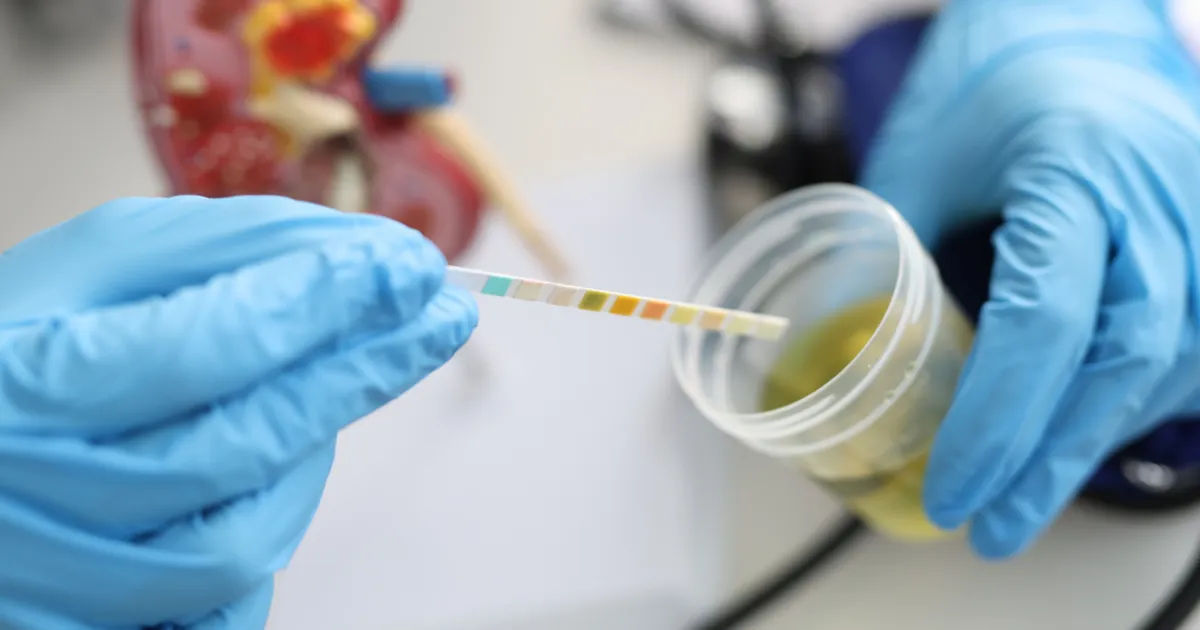
In many discussions about testing and screening, people often come across the phrase “how long does pee last for a drug test”, especially when trying to understand how urine behaves in medical or screening situations. This article explains what urine tests show, why they are done, and how to understand their results in a clear and easy way.Another important thing to know is that urine tests are not just about one condition. They can reveal infections, metabolic issues, kidney health, hydration levels, and sometimes drug use.
In fact, questions like how long does pee last for a drug test often come up when people want to understand how long substances remain detectable in urine, which is part of why urine testing is widely used in medical and legal settings.This guide will break everything down in simple language suitable for a 12th-grade reader, so you can understand how urine testing works from start to finish.
What a Urine Test Is
A urine test, also called urinalysis, is a laboratory examination of urine. It is used to detect and measure different substances in the body. These substances can include proteins, sugar, hormones, bacteria, and even drugs.
Doctors usually request urine tests for three main reasons:
- To check overall health
- To diagnose diseases
- To monitor ongoing medical conditions
When people search for how long does pee last for a drug test, they are often trying to understand urine stability and detection timelines, which are also part of laboratory testing principles.
Urine is a waste product made by the kidneys. As blood passes through the kidneys, they filter out waste, extra water, and toxins. These then leave the body as urine. Because urine carries so much information about body processes, it becomes a very useful diagnostic tool.
What a Urine Test Shows in the Body
A urine test can show a wide range of health conditions and bodily changes. It works like a snapshot of what is happening inside your system at a specific time.
Some of the main things urine tests reveal include:
1. Chemical Balance
Urine can show levels of:
- pH (acid or alkaline balance)
- Electrolytes
- Waste products like urea and creatinine
These indicators help doctors understand how well your kidneys and metabolism are working.
People also connect this with how long does pee last for a drug test because chemical stability affects how substances are measured in urine samples.
2. Presence of Substances
Urine tests can detect:
- Glucose (sugar)
- Proteins
- Ketones
- Blood
For example, glucose in urine may suggest diabetes, while protein may suggest kidney damage.
3. Signs of Infection
Bacteria, white blood cells, or nitrites in urine often indicate urinary tract infections (UTIs).
4. Drug or Medication Traces
Some urine tests are designed specifically to detect drugs or medications. This is where people frequently search how long does pee last for a drug test, since detection time depends on substance type and body metabolism.
Overall, urine testing provides a detailed look at both short-term and long-term health conditions.
Urine Test and Infections
One of the most common uses of urine testing is detecting infections, especially urinary tract infections.
When bacteria enter the urinary system, the body responds with inflammation. This leads to changes in urine such as:
- Cloudy appearance
- Strong smell
- Presence of white blood cells
- Positive nitrite test
Doctors rely on urine tests to confirm UTIs quickly so treatment can begin early.
In discussions about testing reliability, the phrase how long does pee last for a drug test is sometimes used to compare how long different substances or biological markers remain detectable.
Kidney and Liver Health Indicators
Urine is closely linked to kidney function because the kidneys produce it. If the kidneys are not working properly, urine composition changes.
Kidney-related indicators:
- High protein levels may suggest kidney disease
- Low creatinine clearance may indicate reduced kidney function
- Blood in urine may signal kidney stones or damage
While the liver does not produce urine, liver disease can still affect urine color and composition due to changes in bile processing.
Doctors often use urine tests along with blood tests to get a complete picture of organ health.
Even in this context, understanding how long does pee last for a drug test is relevant when considering how long waste compounds remain in urine before being processed.
Diabetes and Urine Testing
Urine testing is also important in detecting diabetes and blood sugar issues.
When blood sugar is too high, the kidneys cannot reabsorb all of it. As a result, glucose spills into urine.
Signs in urine related to diabetes include:
- Glucose presence
- Ketones (in uncontrolled diabetes)
- High specific gravity
This helps doctors identify diabetes early or monitor existing conditions.
The concept of how long does pee last for a drug test often comes up in similar discussions because both involve how substances appear and remain in urine over time.
Drug Detection in Urine
One of the most widely known uses of urine testing is drug screening. Employers, hospitals, and legal authorities often use it to detect substance use.
Drug tests can identify:
- Cannabis
- Cocaine
- Opioids
- Amphetamines
- Prescription medications
Each substance has a different detection window. This is why people often ask how long does pee last for a drug test, as the answer depends on metabolism, frequency of use, and hydration levels.
Why urine is used for drug testing:
- Easy to collect
- Non-invasive
- Cost-effective
- Reliable for detection windows
Drug metabolites remain in urine longer than in blood, making urine testing especially useful for screening purposes.
Pregnancy Testing Through Urine
Urine is also used to detect pregnancy through the hormone hCG (human chorionic gonadotropin). This hormone appears in urine shortly after implantation.
Home pregnancy tests work by detecting hCG levels, making urine testing a simple and effective method for early pregnancy detection.
Although unrelated to drug screening, people sometimes still associate general testing timelines with how long does pee last for a drug test when thinking about how long substances remain detectable in urine.
Hydration and Urine Appearance
Hydration level plays a major role in urine appearance and concentration.
Well-hydrated urine:
- Light yellow or clear
- Lower concentration of waste
Dehydrated urine:
- Dark yellow
- Strong smell
- Higher concentration of waste
Hydration can also affect test results, especially in drug testing scenarios where dilution may influence detection. This is another reason why how long does pee last for a drug test is commonly searched.
How Doctors Interpret Urine Test Results
Interpreting urine test results involves analyzing multiple factors together rather than focusing on one value.
Doctors look at:
- Color
- Clarity
- Chemical composition
- Microscopic particles
Each result is compared to normal reference ranges. Even small changes can indicate health issues.
For example:
- Slight protein may not be serious, but high levels can be concerning
- Trace glucose may require further testing
When discussing interpretation accuracy, people sometimes relate it to how long does pee last for a drug test, since both involve understanding how long substances remain detectable and meaningful in urine samples.
False Positives and Limitations
Urine tests are very useful but not perfect. Sometimes they can produce false positives or false negatives.
Causes of false results:
- Certain medications
- Contaminated samples
- Improper storage
- Extreme hydration levels
This is why confirmatory tests are often done after an initial screening.
Even in drug screening discussions involving how long does pee last for a drug test, accuracy depends on multiple biological and technical factors.
Preparing for a Urine Test
Preparation for a urine test is usually simple, but it depends on the type of test.
General guidelines include:
- Avoid excessive fluid intake before testing
- Inform the doctor about medications
- Follow fasting instructions if given
Proper preparation helps ensure accurate results and reduces errors.
Understanding timelines such as how long does pee last for a drug test is also part of preparation awareness, especially for specialized screenings.
Limitations of Urine Testing
While urine tests are powerful diagnostic tools, they do have limitations.
These include:
- Limited time window for detection
- Variation between individuals
- Inability to show detailed organ structure
- Influence of external factors like hydration
Because of these limitations, doctors often combine urine tests with blood tests or imaging scans.
The concept of how long does pee last for a drug test reflects one of these limitations, as detection time varies widely between individuals.
Conclusion
Urine testing is one of the most valuable tools in modern medicine because it provides fast, affordable, and detailed information about the body. It can detect infections, kidney issues, diabetes, drug use, pregnancy, and overall metabolic health. By analyzing urine, doctors gain insight into what is happening inside the body without needing complex procedures.
Throughout this guide, we also explored why people often search for how long does pee last for a drug test, as it relates to how substances and markers remain detectable in urine over time. This concept helps explain why urine is such a reliable medium for both medical diagnosis and screening purposes.
In summary, urine tests act like a window into the body’s internal health, offering clues that help detect problems early and guide treatment effectively.